September 25, 2026
Selecting the right heating and cooling professional is essential for maintaining a comfortable, energy-efficient home environment throughout every season. Hiring an expert HVAC contractor allows property owners to protect their financial investment, prevent unexpected system failures, and optimize indoor air quality. Asking targeted questions before signing any service agreement helps you evaluate technical competency, verify appropriate licensing, and understand full project scopes.
Clear communication ensures that equipment recommendations align with your specific household requirements and long-term financial budget. Preparing a comprehensive checklist of inquiries empowers homeowners to make confident, well-informed decisions that secure reliable temperature management for many years to come.
1. Verifying Licensing and Proper Insurance Coverage
Confirming credentials should always be your initial priority when interviewing potential technicians for residential heating or air conditioning projects. A qualified HVAC contractor readily provides documentation demonstrating state licensing, municipal permits, and active liability coverage alongside workers' compensation policies. Valid insurance protects property owners from financial liability in the event of accidental property damage or technician injury during installation.
Inquiring about specialized industry certifications, such as NATE accreditation, indicates that technicians undergo continuous training regarding complex modern equipment. Checking these essential qualifications early prevents legal complications, verifies baseline operational standards, and ensures that all technical work satisfies rigid local building codes and safety regulations.
2. Calculating Accurate Sizing Through Manual J Load Assessments
Installing an appropriately sized system requires detailed evaluation rather than crude estimates based purely on total home square footage. An experienced HVAC contractor performs a formal Manual J load calculation to analyze insulation levels, window orientation, ceiling heights, and local climate patterns. Oversized units cycle on and off rapidly, leading to uneven temperature distribution, excessive humidity, and accelerated mechanical wear over time.
Conversely, undersized equipment struggles continuously to maintain desired thermostat settings during extreme weather conditions, dramatically inflating monthly utility bills. Questioning technicians about their precise sizing methodology guarantees that your replacement furnace or air conditioner operates at peak performance and maximum energy efficiency.
3. Evaluating Alternative Energy Solutions for Long-Term Savings
Exploring modern heating and cooling alternatives can significantly lower monthly utility expenses while reducing your home’s environmental footprint. A knowledgeable HVAC contractor can explain the financial benefits of advanced heat pumps, hybrid configurations, and renewable energy upgrades. According to Energy Solutions Intelligence, switching to geothermal systems can reduce heating and cooling costs for homeowners by around 30% to 60%.
Discussing these innovative options helps you weigh higher upfront installation fees against substantial ongoing operational savings. Expert technicians assess your property layout to determine whether ground-source heat loops or ductless mini-split units offer the most practical, cost-effective climate solution for your specific living environment.
4. Reviewing Maintenance Plans to Extend System Lifespan
Ongoing preventative upkeep is vital for preventing unexpected breakdowns, maintaining manufacturer warranties, and preserving high operational efficiency year after year. Asking an established HVAC contractor about routine service plans clarifies what specific checks, filter replacements, and coil cleanings are included annually. Comprehensive maintenance agreements often provide priority emergency scheduling, discounted replacement parts, and waived service fees during sudden system failures.
Regular professional tune-ups allow technicians to identify minor component wear, electrical issues, or refrigerant leaks before they escalate into major, expensive repairs. Establishing a consistent maintenance routine with qualified professionals ensures your climate control equipment runs reliably through intense summer heat and winter freezes.
5. Exploring Ductwork Conditions and Air Quality Solutions
Even the most advanced heating or cooling unit cannot perform effectively if connected to leaking, clogged, or poorly insulated distribution ducts. A meticulous HVAC contractor inspects existing duct networks for air leaks, structural damage, and debris accumulation before attaching new mechanical equipment. Leaky ducts waste substantial energy, forcing air handlers to work much harder while pulling dust, mold, and allergens directly into living areas.
Inquiring about whole-home air purifiers, dehumidifiers, and HEPA filtration systems helps address persistent allergy issues and indoor air pollution. Fixing airflow bottlenecks and improving air distribution ensures balanced room temperatures and healthier, breathable air throughout the residence.
6. Obtaining Detailed Estimates and Scope of Work Breakdown
Financial transparency prevents surprising expenses and misunderstandings when investing in major residential heating or air conditioning updates. A reputable HVAC contractor supplies written, line-item estimates detailing equipment model numbers, labor charges, duct modifications, and permit fees. Inquiring about available manufacturer rebates, federal tax credits, and seasonal dealer incentives helps reduce total out-of-pocket installation costs.
Comparing itemized bids from multiple candidates allows you to evaluate overall value rather than simply selecting the lowest initial price tag. Understanding payment schedules, deposit requirements, and accepted payment methods ensures a clear contractual agreement, protecting your project budget from sudden unexpected cost overruns or hidden service fees.
7. Inquiring About Equipment Warranties and Workmanship Support
Understanding protection policies provides vital peace of mind when purchasing expensive residential heating and cooling machinery. An established HVAC professional clearly distinguishes between manufacturer warranties covering major parts and independent labor coverage provided by the installer. Manufacturer agreements typically cover compressors, heat exchangers, and electrical parts for a specified decade, provided the equipment is registered correctly.
However, labor expenses incurred during repairs are often separate, making it necessary to ask about written service warranties offered by the installation crew. Clarifying warranty transferability, required annual maintenance conditions, and claim procedures shields your household budget against unforeseen repair bills down the road.
8. Assessing Energy Efficiency Ratings for Maximum Performance
Modern heating and cooling systems carry specific efficiency ratings, such as SEER2 for cooling and AFUE for gas furnaces. Asking an expert HVAC professional to explain these numerical ratings helps you select equipment that balances initial purchasing price with monthly energy savings. High-efficiency units utilize variable-speed compressors and modulating gas valves to adjust output precisely based on real-time indoor thermal demand.
While high-efficiency systems require greater initial capital, they dramatically reduce electricity and natural gas consumption over their operational lifetimes. Technicians calculate projected utility savings to help you decide whether premium, high-efficiency machinery represents a smart long-term investment for your household economy.
9. Establishing Project Timelines and Daily Worksite Protocol
Planning for installation day requires clear communication regarding how long technicians will be present inside your home environment. A professional HVAC technician outlines explicit project timelines, detailing estimated start dates, daily working hours, and anticipated completion deadlines. Inquiring about worksite preparation helps you protect flooring, furniture, and personal items from dust, debris, and heavy equipment movement.
Experienced crews utilize drop cloths, wear protective shoe covers, and manage old equipment disposal responsibly upon finishing the job. Knowing who will supervise the project site daily ensures direct communication, allowing you to address sudden questions or scheduling adjustments quickly and efficiently throughout construction.
10. Understanding Smart Thermostat Integration and Digital Controls
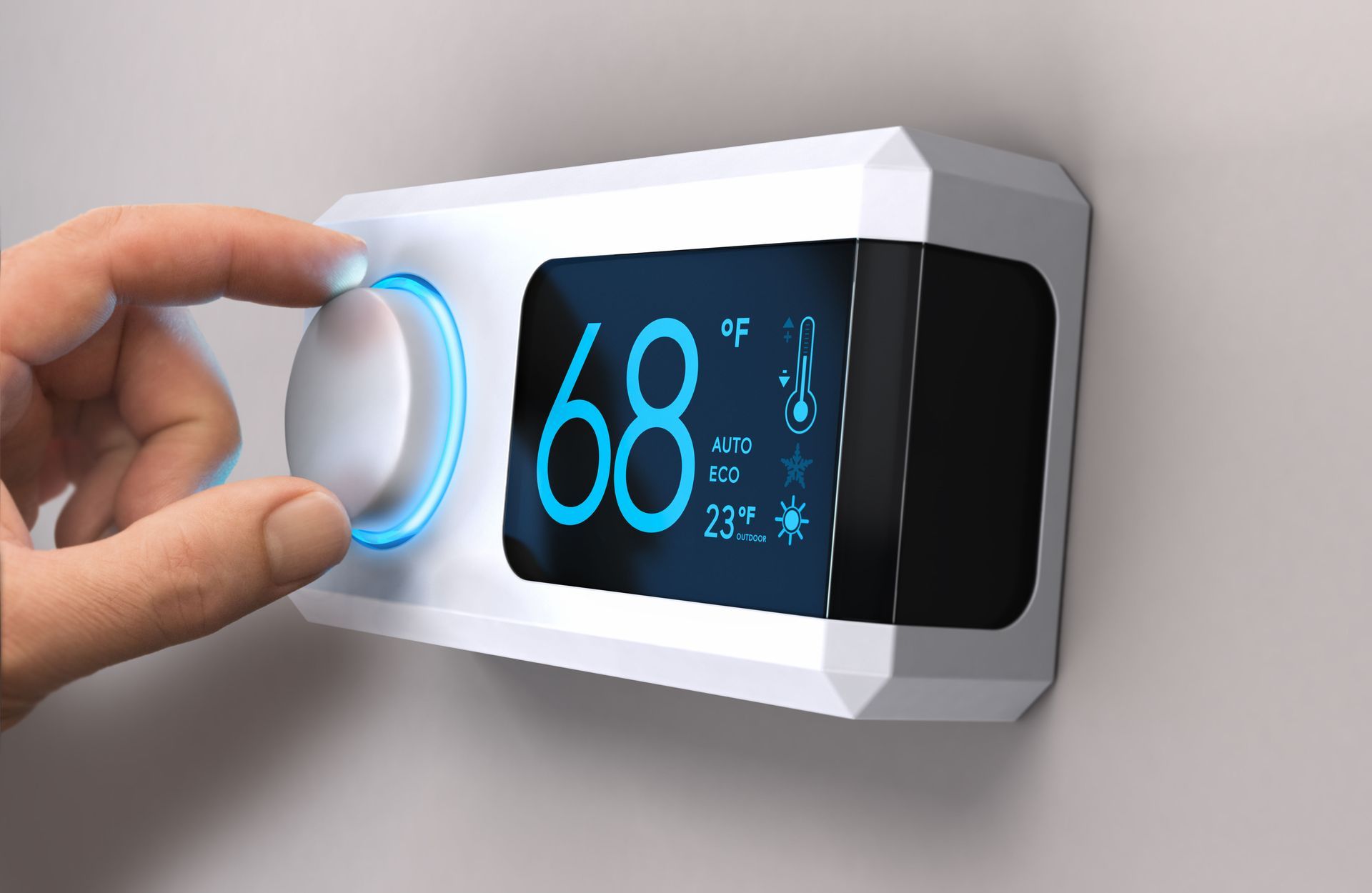
Integrating modern digital controls allows homeowners to optimize daily temperature schedules, monitor energy usage remotely, and maximize overall climate comfort. Asking your HVAC professional about smart thermostat compatibility ensures seamless communication between new mechanical units and smart home ecosystems. Advanced controllers adjust settings automatically based on occupancy patterns, local weather forecasts, and peak utility pricing structures to lower power consumption.
Technicians guide you through initial Wi-Fi setup, smartphone application configuration, and custom scheduling options so you can operate controls effortlessly. Utilizing smart technology optimizes system performance, reduces unnecessary wear, and gives you complete control over your home environment from any global location.
Are you seeking an expert HVAC contractor in Haywood County, NC, and the surrounding areas? The professionals at Parkway Heating & Air are ready to assist with all things HVAC-related! Contact us today to request an estimate or to schedule an appointment.